10 Alternative Investments That Quietly Outperformed Stocks in 2025
Gold doubled. Silver returned 150%. Bitcoin hit new all-time highs. Meanwhile, most financial advisors told their clients to stay in the S&P 500.


If your financial advisor told you 2025 was a good year to stay the course in index funds, they weren't wrong. The S&P 500 posted solid returns. But they may have left out the rest of the story.
Because outside the stock market, something unusual happened. A handful of alternative asset classes — investments most advisors never mention — didn't just keep pace with equities. They crushed them.
And the people who benefited weren't hedge fund managers or Wall Street insiders. They were everyday investors who made a simple decision: diversify beyond stocks and bonds.
The numbers most investors never saw
Gold had its best year in over four decades. After years of hovering around the $2,000 mark, the metal surged past $4,300 an ounce — a gain of roughly 66% in a single year. Central banks bought more gold in 2025 than in any year on record, with China, India, and Poland leading the charge.
Silver was even more dramatic. Driven by surging demand from renewable energy manufacturing, electric vehicle production, and data center construction, silver quietly returned roughly 150% over the past two years. No headlines. No media hype. Just relentless industrial demand meeting limited supply.
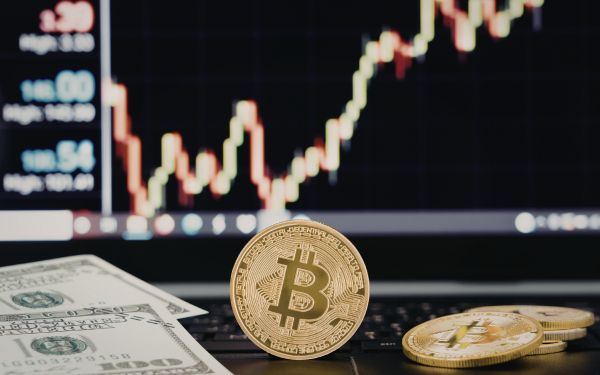
And then there's Bitcoin, which hit a new all-time high above $126,000 in late 2025 before pulling back. Love it or hate it — digital assets outperformed every traditional asset class for the third consecutive year.
The question isn't whether these assets performed. The data is clear. The question is why so few investors owned them.
The advisor blind spot
Most financial advisors operate inside a narrow window. They recommend stocks, bonds, mutual funds, and maybe real estate. That's not because other investments don't work — it's because advisors earn commissions and fees on the products they're licensed to sell. Gold doesn't pay a management fee. Bitcoin doesn't generate recurring advisory revenue.
This isn't a conspiracy. It's a business model. And it means millions of investors are building portfolios with a significant blind spot: no exposure to the asset classes that performed best over the past 24 months.
At the same time, the economic backdrop is shifting in ways that make alternatives more relevant, not less. The national debt recently crossed $37 trillion. The U.S. dollar had its worst year since 2017. Sixty-two banks are sitting on the FDIC's problem list. Inflation may be falling from its 2022 peak, but the purchasing power lost during that period isn't coming back.
For investors over 50, these aren't abstract macro concerns. They're threats to retirement purchasing power — the money you'll actually live on.

What the data actually shows
When our research team set out to rank the best alternative investments for 2026, we started with over 200 assets. We screened for five-year track record, accessibility for individual investors, minimum investment thresholds, liquidity, and risk-adjusted returns.
Ten made the final list.
Some are well-known but poorly understood — like physical gold, which most investors don't realize can be held inside an IRA with the same tax advantages as stocks. Others are almost entirely off the radar, including asset classes that institutional investors have quietly allocated billions to while retail investors weren't paying attention.
Each asset in the report is rated across three dimensions: risk level, upside potential, and how easy it is to buy today. No jargon. No sales pitch. Just a ranked list with the data behind each pick.
A shift that's already underway
The interesting thing is, large institutions have been making this move for years. Pension funds, sovereign wealth funds, and family offices have steadily increased their allocations to alternatives. According to recent industry data, institutional portfolios now hold between 15–30% in alternative assets.
Individual investors, by contrast, typically hold less than 5%.
That gap represents both a risk and an opportunity. A risk because it means most personal portfolios are entirely correlated to stock market performance — and an opportunity because the same assets institutions are buying are increasingly accessible to individual investors, often with no minimum investment.
The investors who moved early into gold, silver, or digital assets in 2023 and 2024 are now sitting on some of the best returns of their careers. The question facing everyone else is whether the trend continues — and what to do about it now, not six months from now.

What we published
We compiled everything into a single report: 10 Best Investments Beyond Stocks and Bonds for 2026. It's the same research we normally charge $47 for on our website, but we're making it available for free for a limited time.
There's no webinar to sit through. No 45-minute video. Just a ranked list you can read in 10 minutes, with the data behind each pick and clear ratings for risk, upside, and accessibility.
It's designed for investors who want to diversify but don't know where to start — and for those who are already diversified but want to see how their holdings stack up against the data.
Get the Free Report
10 Best Investments Beyond Stocks and Bonds for 2026 — rated by risk, upside, and accessibility. Normally $47, free today.
Whether you end up adding alternatives to your portfolio or not, the data is worth seeing. Because the one thing that's clear from 2025 is this: the best-performing assets of the year weren't stocks. And most investors missed them entirely.