|
||||||||||||||||||||||
|
||||||||||||||||||||||
Presented by

|
||||||||||||||||||||||
|
Learn how everyday Americans are quietly earning 10%-20% on their cash - using the same treasury backed play the banks use on you. Watch the free training → |
||||||||||||||||||||||
|
SpaceX priced at $135 last Thursday, opened at $150, and closed Friday at $160.95. It was the largest IPO in history, and buried inside every single fund that bought shares is $1.29 billion in Bitcoin that institutional investors never voted on and, in many cases, never even noticed. Meanwhile Kevin Warsh announces his first Fed decision tomorrow at 2pm ET. Oil is at $78 after the Iran deal sent it off a cliff. Inflation expectations are falling. The landscape he inherited two weeks ago looks nothing like the one he's deciding in today. Good morning. Two stories this week that will matter well past Friday. Let's get into it. |
||||||||||||||||||||||
Oil is down nearly 15% on the week, the biggest single-week drop since the war started. The Iran peace deal sent WTI below $80 for the first time since February. Lower energy costs mean lower headline inflation, which means the Fed has cover it didn't have two weeks ago. Every other asset on this list is moving in response to that single fact. Bitcoin is up nearly 7% on the week, recovering sharply from the $59,800 low. The Iran deal and falling inflation expectations flipped sentiment from extreme fear to cautious optimism in about 72 hours. ETF inflows returned on June 13 for the first time in five sessions, led by BlackRock's IBIT. Gold is flat to slightly up, holding above $4,300 as the inflation tailwind from oil eases and the rate-cut-hope tailwind from the Fed builds. The two forces are roughly cancelling each other out right now. Tomorrow's Warsh press conference is the next catalyst. |
||||||||||||||||||||||
🚀 SpaceX closed at $160. Every fund that bought it now holds Bitcoin.By The Alternative Insider Research Team
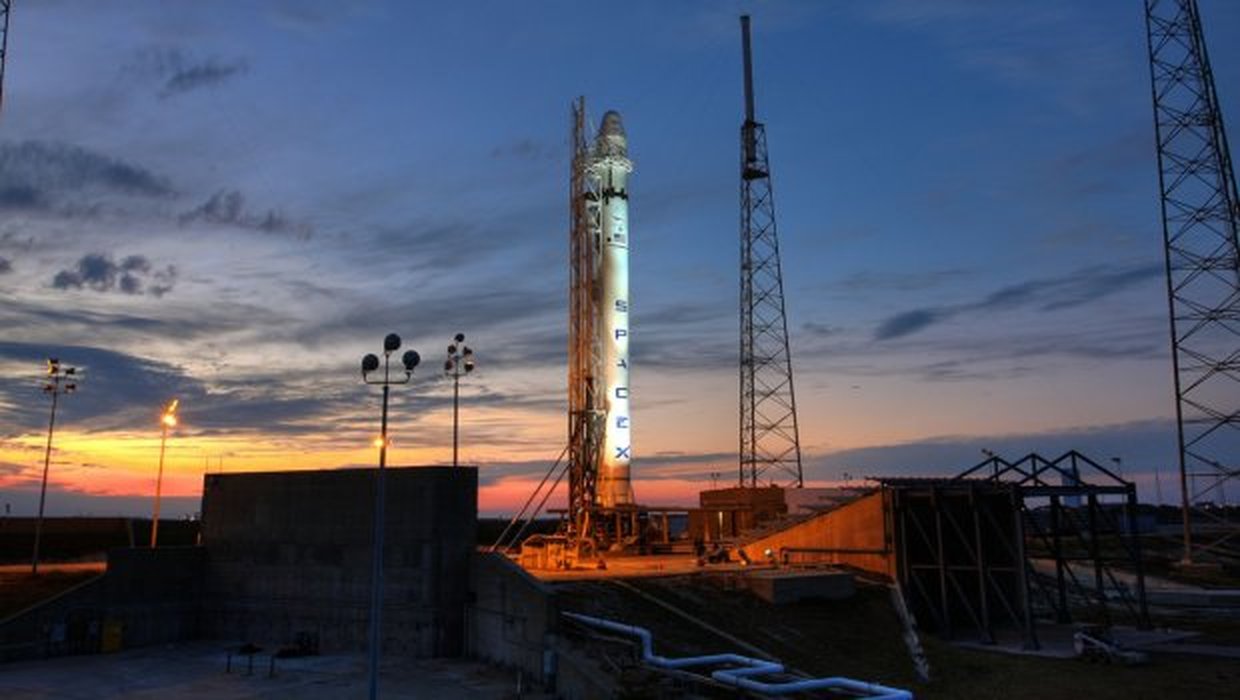
SpaceX priced its IPO at $135 per share last Thursday, opened at $150, and closed Friday at $160.95. At that closing price, the company is valued at roughly $1.75 trillion, making it the most valuable company ever to go public in US history. The S&P 500 will add it to the index during the next quarterly rebalancing. Every S&P 500 index fund in the country will be required to buy it. Here's what every one of those funds is buying along with the rocket company: $1.29 billion in Bitcoin, sitting on SpaceX's balance sheet and disclosed in the IPO prospectus. Nobody voted on it. Nobody opted in. Every pension fund, every target-date retirement fund, every 401(k) that tracks the S&P 500 is about to get indirect Bitcoin exposure added to its holdings automatically, as a mechanical consequence of index rebalancing. Why this matters more than it looks The argument against Bitcoin from traditional institutional investors has always been the same: our mandate doesn't allow it, our board hasn't approved it, our compliance team won't sign off. The SpaceX IPO quietly removes that argument for a significant portion of institutional capital. If you own the S&P 500, you now own Bitcoin. The compliance team didn't have to approve anything. The board didn't have to vote. It just happened. This isn't the first time Bitcoin has entered institutional portfolios through the back door. MicroStrategy, now renamed Strategy, entered the Nasdaq 100 in December 2024 as a result of its rising market cap, which was itself a product of its Bitcoin holdings. Every fund tracking that index bought Bitcoin exposure the same way. The SpaceX addition to the S&P 500 is the same mechanism but at a much larger scale, because the S&P 500 is the benchmark for roughly $7 trillion in passive investment assets. The due diligence effect Every institutional investment team that went through the SpaceX IPO process spent time this week reading the prospectus, which includes a detailed section on the company's Bitcoin holdings, the rationale for holding them, and the accounting treatment. For a significant number of investment professionals, this was the first time they read a formal institutional disclosure of a Bitcoin treasury position in a due diligence context rather than a news headline. That's a different kind of exposure than seeing a price chart. The list of Fortune 500 companies holding Bitcoin on their balance sheet was essentially zero in 2020. It now includes Tesla, SpaceX, and a growing list of corporate treasurers who looked at the 2020-2024 dollar depreciation and made the same calculation. The S&P 500 addition doesn't accelerate that trend directly. But it puts the question in front of every institutional analyst covering the index in a way that no news article does.
|
||||||||||||||||||||||
|
||||||||||||||||||||||
🏦 Warsh announces his first Fed decision tomorrow. The landscape changed completely while he was preparing for it.
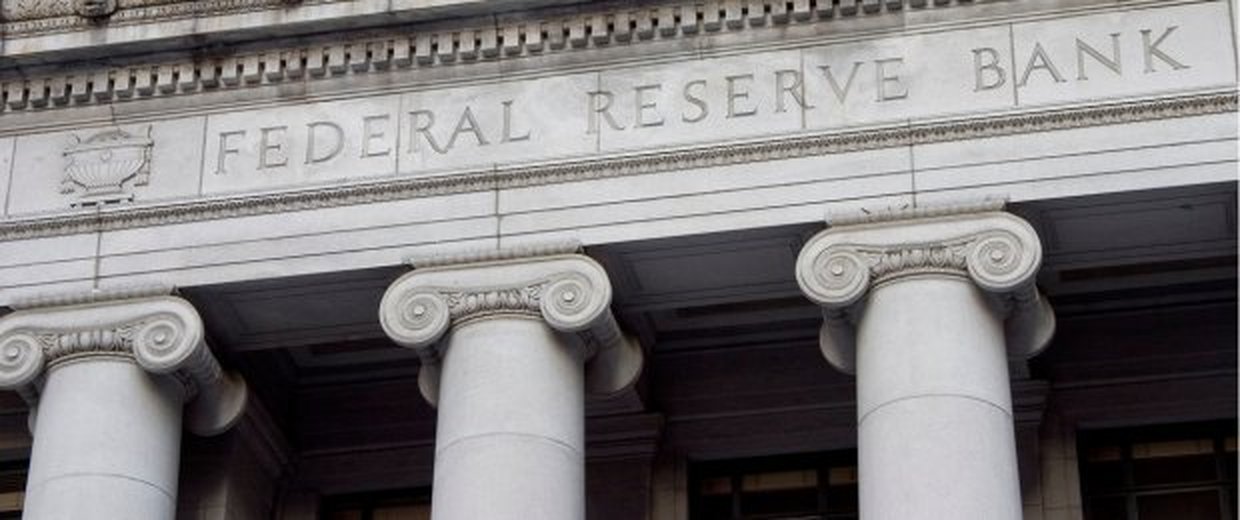
Kevin Warsh walked into the FOMC chair knowing he'd face a hard first meeting. What he didn't know is that the Iran deal would hand him a completely different set of cards two weeks before he had to play them. When Warsh took over in May, markets were pricing a 40% chance of a rate hike by December. Oil was above $90. Core CPI was at 3.1%. The "hawkish hold" was the consensus call and Warsh was expected to deliver it with language that signaled the next move was more likely up than down. That was the meeting everyone prepared for. Then oil fell off a cliff. WTI dropped from $92 to $78 in a week, the biggest single-week decline since the war started. Headline inflation is going to look very different in June and July now that energy costs are falling. Rate hike probability collapsed. The futures market that was pricing 40% odds of a December hike two weeks ago is now pricing something closer to 15%. Warsh is walking into a press conference tomorrow where the question isn't whether to hike, it's whether to start setting up the language for a cut. Here's what makes tomorrow genuinely interesting: Warsh is a new chair who wants to establish credibility as an inflation hawk. Pivoting too quickly to dovish language on his first press conference risks looking reactive and politically driven. But staying overly hawkish when oil is at $78 and the war is winding down risks looking out of touch with the data. There's no clean option, and the market will be listening to every word he says for signals about which version of Warsh actually shows up. Watch gold and the dollar in the 30 minutes after the press conference begins at 2:30pm ET tomorrow. Gold up and dollar down means the market heard dovish. Gold down and dollar up means it heard hawkish. The reaction will tell you more about what Warsh actually said than the transcript will. |
||||||||||||||||||||||
|
||||||||||||||||||||||
|
||||||||||||||||||||||
|
||||||||||||||||||||||
|
||||||||||||||||||||||
|
||||||||||||||||||||||
|
Disclaimer: Alternative Insider News is a financial education and research publication. Nothing in this email constitutes investment advice, financial advice, or a recommendation to buy or sell any security or digital asset. We may earn affiliate commissions from partners mentioned in this newsletter. Always do your own due diligence before making any investment decision. Past performance is not indicative of future results. Cryptocurrency investments involve significant risk and may result in loss of capital. |