|
||||||||||||||||||||||
|
||||||||||||||||||||||
Presented by

|
||||||||||||||||||||||
|
The 115-year system designed to control your money just entered its final phase (and the legal "back door" investors are using to escape it). Watch the free training → |
||||||||||||||||||||||
|
On Tuesday morning, June CPI came in at 3.5%, the coolest inflation print since before the war started, with consumer prices actually falling 0.4% month-over-month for the first time since 2020. Kevin Warsh got exactly the data he needed to avoid a September rate hike. Gold rallied. Bitcoin rallied. The soft landing was back on the table. Then, on Tuesday afternoon, the US military reimposed its full naval blockade of Iranian ports at 4pm ET, announced it had conducted four consecutive nights of strikes on Iran, and oil surged back above $80. The ceasefire that ended the first phase of this war is dead. The second phase just started. Good morning. All of that happened yesterday. Let's get into it. |
||||||||||||||||||||||
Oil is the story of the week, up nearly 15% as the ceasefire collapsed and the naval blockade was reinstated. WTI went from $69 to above $80 in under a week, its biggest move since the war began in February. Brent settled at $83.30 on Monday, its highest level since mid-June and its biggest single-day gain in six years. Bitcoin is up 3.5% despite the risk-off environment, holding above $64,000 after Tuesday's cool CPI print gave buyers a reason to step back in. ETF outflows surged to $425 million Monday before the CPI data reversed sentiment. The macro signals are genuinely mixed this week and Bitcoin is trading the hope rather than the fear. Gold is down 2.5% on the week despite a major geopolitical escalation, which tells you the same story it's been telling all year: rate hike expectations are currently a bigger driver than safe-haven demand. More on that in the Contrarian. |
||||||||||||||||||||||
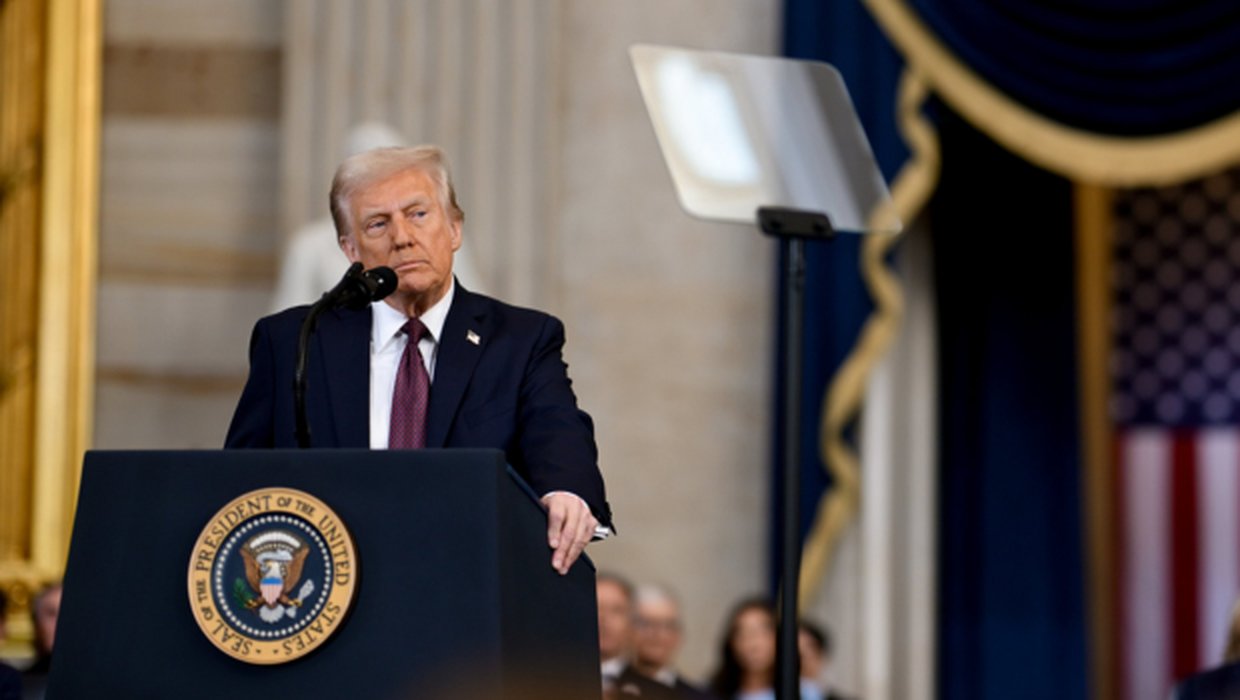
🛢️ The Fed got good inflation news yesterday. Trump took it away the same afternoon.By The Alternative Insider Research Team
Yesterday was the strangest single day in US macro this year. June CPI landed at 3.5%, down from 4.2% in May and well below the 3.8% forecast. Consumer prices actually fell 0.4% month-over-month, the first monthly decline since 2020. Core CPI came in at 2.6%, within spitting distance of the Fed's 2% target. For a brief few hours yesterday morning, the September rate hike was essentially off the table and Kevin Warsh looked like he might get to deliver a soft landing on his first attempt as Fed chair. Then, at 4pm ET, US Central Command announced the reimposition of the full naval blockade of Iranian ports. It simultaneously confirmed four consecutive nights of US military strikes against Iranian targets around the Strait of Hormuz. Iran had attacked commercial tankers in the strait last week, which Trump cited as the ceasefire violation that justified the blockade's return. Brent crude settled up 9.59% on Monday, its biggest single-day gain in six years. WTI rose nearly 10% to $78 before pulling back slightly. In the space of eight hours, Warsh went from getting his best inflation data since before the war to inheriting a fresh energy shock that will almost certainly push July and August CPI back up. The soft landing window that opened Tuesday morning may have closed Tuesday afternoon. Why the timing matters CPI measures what happened to prices last month. The June print reflects May and June conditions, when oil was sitting at $69-73, the ceasefire was holding, and Hormuz traffic was recovering toward normal. It is, in other words, a measurement of a world that no longer exists as of yesterday afternoon. The July CPI data that will drop in mid-August will capture oil at $80+ and a blockade that has shut down commercial traffic through one of the world's most critical shipping lanes. That print is not going to look like yesterday's. This is the fundamental problem Warsh faces and that markets are struggling to price correctly. The backward-looking data says inflation is cooling. The forward-looking data, oil prices, shipping costs, energy futures, says it's about to heat up again. Both things are simultaneously true, which is why you saw gold rally on the CPI print and then give some of it back as the blockade news hit, and why Bitcoin rallied on the soft inflation signal but ETF outflows spiked on the geopolitical risk. The market doesn't know which data set to trust, because they're both accurate snapshots of different moments in the same week. What the ceasefire collapse actually means The International Crisis Group put it cleanly in a note published Tuesday: "What was supposed to be a bridge from war to diplomacy has instead become another battlefield, with both sides using force to try to impose their own reading of the agreement's ambiguous terms." The US says Iran violated the MOU by attacking tankers and reasserting control over the Strait. Iran says the US violated it by directing ships to a southern route that hugs the Oman coast rather than through the traditional Hormuz channel. Both sides have a point, which is exactly why the memorandum that Trump previously described as achieving everything they set out to accomplish was, as of Monday, "a memorandum of understanding" that "doesn't mean much." Just 22 ships crossed the strait on July 9, compared to 147 crossings the day before the war began in February. The blockade's return means that number goes lower. The supply disruption to global energy markets that eased over the past month is back, and this time there is no obvious diplomatic off-ramp because the interim deal that was supposed to be that off-ramp has collapsed into a second round of the same conflict it was meant to end.
|
||||||||||||||||||||||
|
||||||||||||||||||||||
🥇 Gold is down 26% from its January high. The blockade just came back. Something doesn't add up.
Gold hit $5,594 in January. It's at $4,033 today. That's a 28% decline from an all-time high, happening simultaneously with the reimposition of a naval blockade on one of the world's most critical shipping lanes, four consecutive nights of US military strikes on a regional power, and oil prices jumping nearly 15% in a week. In a world where gold is a crisis hedge, this sequence makes no sense. The reason it's happening is the same reason it's been happening for three months, and it's worth saying clearly one more time because it gets lost in the noise. Gold is not trading as a crisis hedge right now. It's trading as an interest rate bet. When rate hike expectations rise, gold falls, because the opportunity cost of holding a non-yielding asset increases as interest rates go higher. The geopolitical shock this week that sent oil surging 15% also raised inflation expectations, which raised rate hike odds, which pushed gold lower. The crisis made gold cheaper. That's how broken the correlation is right now between geopolitical risk and gold's price. That dynamic ends the moment the Fed pivots. Every scenario where the Fed stops hiking or starts cutting, and there are several plausible ones from here, including a recession signal, a credit event, or simply inflation coming down faster than expected, immediately reverses the suppression on gold. The geopolitical floor, the war, the blockade, the central bank buying, the structural dollar weakness, all of that is sitting underneath the price waiting for the rate story to change direction. When it does, those factors don't have to rebuild from scratch. They're already there. UBS is at $6,200. Goldman is at $6,000. Wells Fargo is at $6,100-6,300. Not one major bank moved their gold target during the correction. The institutions that set those targets are not confused by the disconnect between price and fundamentals. They're patient. That's a different posture than confused. |
||||||||||||||||||||||
|
||||||||||||||||||||||
|
||||||||||||||||||||||
|
||||||||||||||||||||||
|
||||||||||||||||||||||
|
||||||||||||||||||||||
|
Disclaimer: Alternative Insider News is a financial education and research publication. Nothing in this email constitutes investment advice, financial advice, or a recommendation to buy or sell any security or digital asset. We may earn affiliate commissions from partners mentioned in this newsletter. Always do your own due diligence before making any investment decision. Past performance is not indicative of future results. Cryptocurrency investments involve significant risk and may result in loss of capital. |