|
||||||||||||||||||||||
|
||||||||||||||||||||||
Presented by

|
||||||||||||||||||||||
|
The 115-year system designed to control your money just entered its final phase (and the legal "back door" investors are using to escape it). Watch the free training → |
||||||||||||||||||||||
|
The Federal Reserve meets today and tomorrow. Markets are pricing a 30% chance of a rate hike at this meeting and an 80% chance of one in September. Gold climbed back toward $4,100 Monday as a ceasefire pause between the US and Iran sent oil down 5%. Bitcoin is holding above $65,000. Everything settles Wednesday afternoon when Warsh speaks. And separately: Iran is collecting Hormuz transit tolls in Bitcoin. That's not a headline. That's a new use case generating an estimated $10 billion annually for the world's most censorship-resistant asset. Nobody is writing about it properly. Good morning. Let's get into both. |
||||||||||||||||||||||
Gold climbed back toward $4,100 Monday as a ceasefire pause between the US and Iran sent oil sharply lower, easing inflation fears ahead of the Fed meeting. The metal has been trading a narrow band between $4,000 and $4,150 for two weeks as rate hike expectations and geopolitical safe-haven demand roughly cancel each other out. Wednesday's FOMC statement breaks that stalemate in one direction. Bitcoin is holding above $65,000 despite a week of geopolitical volatility and a broad tech selloff that took Alphabet down 7% and Tesla down 15%. Long-term holder supply hit an all-time high of 14.85 million BTC this week, meaning the coins that trade are being held by fewer and more convicted hands. ETF inflows returned after six weeks of outflows. The Clarity Act is expected on the Senate floor as early as next Monday. Oil fell 5% Monday on the Iran ceasefire pause, pulling back from recent highs above $90 Brent. The move is entirely geopolitics-driven. OPEC+ production, demand forecasts, and refinery capacity haven't changed. If the ceasefire holds, oil drifts lower and Warsh has more room to hold rates. If it doesn't, oil goes back above $90 and the September hike is back on the table. |
||||||||||||||||||||||
🏦 The Fed decides tomorrow. Everything in your portfolio is waiting on one sentence.By The Alternative Insider Research Team
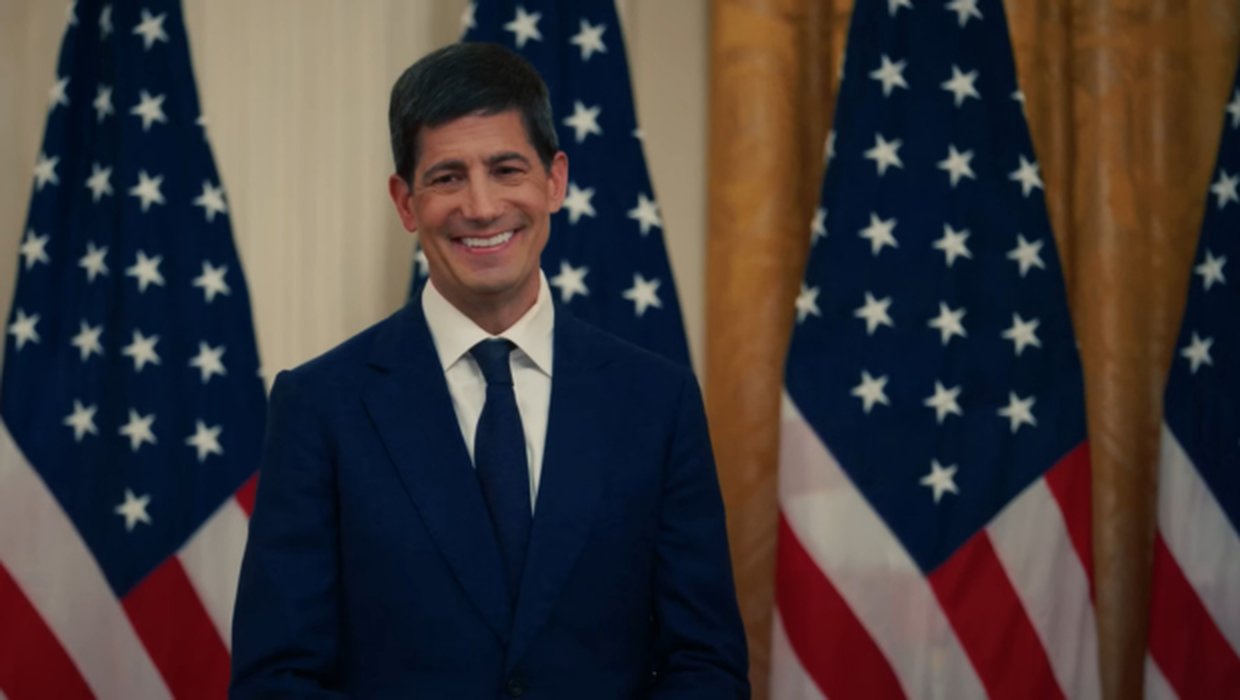
The Federal Reserve's July 28-29 meeting is the most consequential monetary policy decision of 2026, and it lands tomorrow afternoon. Markets are pricing roughly 30% odds of a rate hike at this meeting, with 80% odds of a hike in September. Neither number is zero. Neither is certain. The range of outcomes covers everything from a dovish hold that sends gold and Bitcoin sharply higher to an unexpected hike that reverses the past two weeks of gains in both assets simultaneously. Kevin Warsh inherited the most complicated macro environment a Fed chair has faced since Volcker. He has a June CPI print showing 3.5% inflation, the coolest since before the Iran war. He has an oil price that was above $90 Brent ten days ago and is now back below $90 on a ceasefire pause. He has a jobs market that showed 57,000 in June against expectations of 110,000. And he has the IMF's July World Economic Outlook explicitly forecasting that global inflation accelerates from 4.1% in 2025 to 4.7% in 2026, driven almost entirely by energy. Every data point is pointing in a different direction. What Warsh actually removed After the June meeting, Warsh made a structural change to how the Fed communicates. He removed traditional forward guidance entirely in favor of what he called pure data dependence. No more signals about what the committee plans to do at future meetings. No more dot plots functioning as commitments. The market now has to read every piece of incoming data as equally relevant with no directional signaling from the Fed to anchor expectations. That's a feature for Warsh, who believes forward guidance itself became a source of market instability. It's a bug for investors trying to position around what comes next. The practical effect is that tomorrow's statement will be parsed more carefully than any Fed release in recent memory. With no forward guidance, every adjective matters. "Vigilant" versus "watchful" on inflation. "Gradual" versus "measured" on policy. "Resilient" versus "solid" on the labor market. Algorithmic traders will move markets within milliseconds of the statement dropping. Gold and the dollar move first. Bitcoin follows within minutes. The two scenarios If Warsh holds and the statement reads dovish, acknowledging the cool CPI, noting the ceasefire easing oil pressure, signaling patience, gold has room to run toward $4,200-$4,300 and Bitcoin toward $70,000-$72,000 within days. The September hike probability falls sharply. The structural bull case for both assets, which has been suppressed by rate hike fears for three months, reasserts itself fast. If Warsh hikes or the statement reads hawkish, emphasizing the IMF's inflation acceleration forecast, the ceasefire's fragility, the risk of oil returning above $90, gold gets sold and the dollar strengthens. Bitcoin's reaction is less certain because the long-term holder data suggests institutional conviction is high enough to absorb a short-term hawkish shock better than it would have three months ago.
|
||||||||||||||||||||||
|
||||||||||||||||||||||
₿ Iran is collecting Hormuz tolls in Bitcoin. That's $10 billion a year in new demand nobody is talking about.
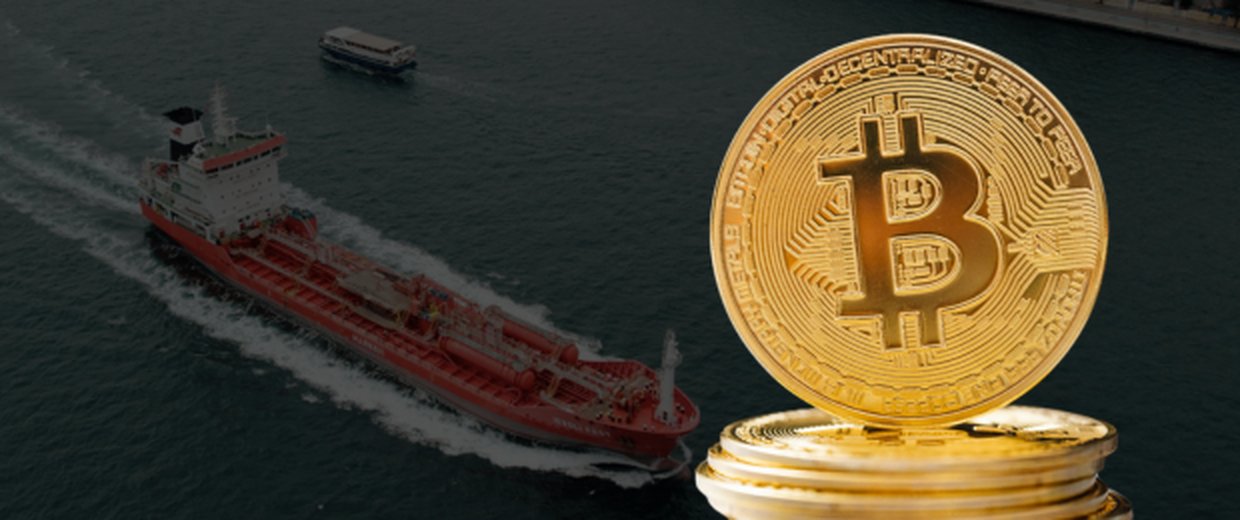
Since April 2026, Iran's Islamic Revolutionary Guard Corps has been collecting transit tolls from oil tankers passing through the Strait of Hormuz. The fee is roughly $1 per barrel of oil. Payment must be made in Bitcoin or stablecoins before vessels are cleared for passage. An average of 20 million barrels of oil transited the strait daily before the war began. At $1 per barrel, that's $20 million per day, or roughly $7 billion per year, in Bitcoin-denominated revenue for a sanctioned nation with no access to the traditional dollar financial system. In May, Iran took it further. The IRGC launched a platform called "Hormuz Safe," described as a Bitcoin-settled maritime insurance product for vessels transiting the strait. The platform is projected to generate over $10 billion annually if traffic returns to pre-war levels. That would make it one of the largest real-world Bitcoin use cases by revenue ever created, larger than most publicly traded companies' annual profits, built entirely outside the Western financial system by a country that has no other choice. The reason Iran chose Bitcoin over stablecoins is worth understanding. Stablecoins like USDT and USDC include backdoors that allow issuers to freeze or seize specific wallets. The US Treasury has already used this mechanism to freeze Iranian-linked stablecoin addresses. Bitcoin has no such backdoor. No issuer, no government, and no court can freeze a Bitcoin wallet that nobody controls. For a sanctioned nation running a multi-billion dollar maritime operation outside the dollar system, that property is not ideological, it's operational. This is the Bitcoin use case that nobody taught in the "digital gold" pitch. Not inflation hedge. Not speculative asset. Not ETF wrapper. Sovereign financial infrastructure for nations that have been cut off from the dollar system and need a neutral settlement layer that nobody can freeze. Iran is the first major test case. It won't be the last. The Chainalysis report published in May flagged this explicitly: regulatory bodies, law enforcement, and stablecoin issuers all have a role to play, but none of them can do anything about the Bitcoin component. The irony is that Bitcoin's biggest real-world demand story this year isn't coming from Wall Street ETFs or corporate treasuries. It's coming from a geopolitical crisis in the world's most important oil chokepoint. The same war that's been suppressing Bitcoin through rate hike fears is simultaneously creating a structural demand source that didn't exist six months ago. |
||||||||||||||||||||||
|
|
||||||||||||||||||||||
|
||||||||||||||||||||||
|
||||||||||||||||||||||
|
||||||||||||||||||||||
|
||||||||||||||||||||||
|
Disclaimer: Alternative Insider News is a financial education and research publication. Nothing in this email constitutes investment advice, financial advice, or a recommendation to buy or sell any security or digital asset. We may earn affiliate commissions from partners mentioned in this newsletter. Always do your own due diligence before making any investment decision. Past performance is not indicative of future results. Cryptocurrency investments involve significant risk and may result in loss of capital. |