|
||||||||||||||||||||||
|
||||||||||||||||||||||
Presented by

|
||||||||||||||||||||||
|
The 115-year system designed to control your money just entered its final phase (and the legal "back door" investors are using to escape it). Watch the free training → |
||||||||||||||||||||||
|
July's jobs report came in at negative 23,000. Revisions erased another 103,000 from prior months. That's 126,000 jobs the labor market gave back in a single Friday release, and it happened three weeks after the Fed held rates in its most divided vote since 2016. September's hike odds fell to 44% on the print. They were at 58% the morning before. Meanwhile Iran's foreign minister ruled out direct talks with Washington on Sunday, renewing demands for Hormuz access a week after markets priced a ceasefire that never materialized. Gold jumped 6.6% in a single session on Friday. It opened this morning above $4,200. Good morning. Two genuinely consequential stories to start the week. |
||||||||||||||||||||||
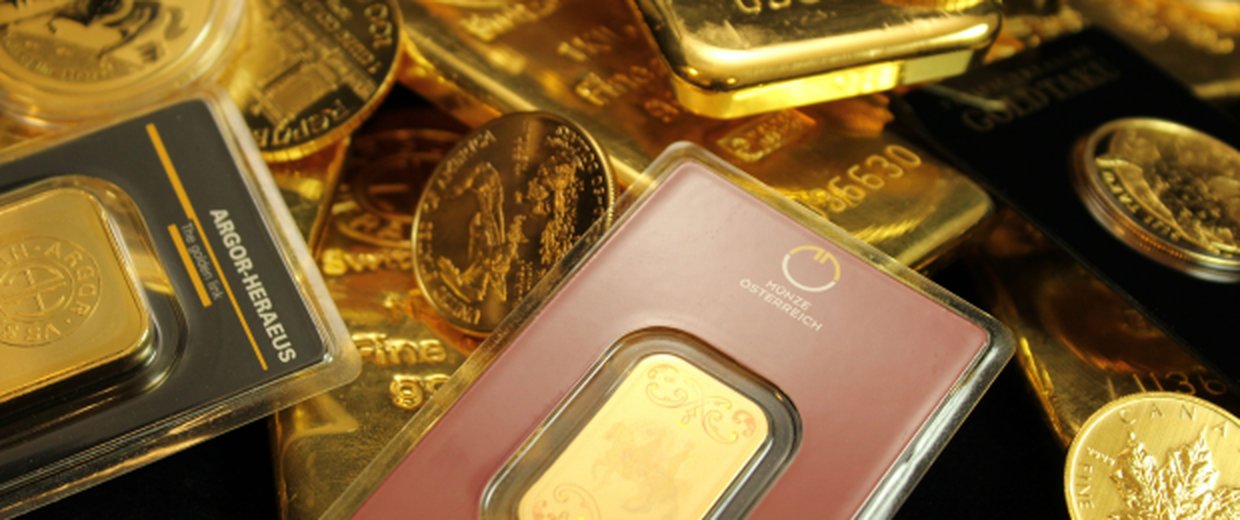
Gold had its biggest single-session move of 2026 on Friday, jumping over 6% as the jobs contraction demolished September hike expectations and Iran talks collapsed simultaneously. Gold-backed ETFs pulled in $3 billion in net inflows during July, ending two straight months of outflows. European funds led the buying. The metal is now within 30% of its January all-time high and every institutional target remains intact above $6,000. Bitcoin is holding above $63,000 with Bitcoin ETFs drawing over $750 million last week, led by BlackRock's IBIT. Wallets holding between 10 and 10,000 BTC accumulated more than 20,000 coins since late July. On Polymarket, odds of Bitcoin outperforming gold in 2026 have fallen to 23%, down from over 50% in January. Historically that kind of sentiment spread resolves not by gold giving back gains but by Bitcoin catching up. Oil is back above $81 as Iran's foreign minister ruled out direct talks with Washington on Sunday and Tehran renewed its demands for reopening Hormuz. The market spent last week pricing a ceasefire. It's spending this week unpricing it. Wednesday's CPI will tell us how much of the energy spike has fed through to consumer prices. |
||||||||||||||||||||||
The jobs number that changed everything.By The Alternative Insider Research Team
Friday's July jobs report showed the US economy shed 23,000 positions last month. That's not a miss. It's a reversal. June came in at 134,000 after a prior reading of 57,000, the labor market appeared to be recovering from the war-driven softness that rattled markets this summer. Friday's data erased that narrative entirely and then added to it: revisions cut another 103,000 jobs from prior months, meaning the market had been operating on employment figures that were overstated by a combined 126,000 positions. The Fed's September hike odds fell from 58% to 44% within the hour of the release. Gold jumped 6.6% in the same session. Bitcoin moved higher. The dollar weakened. Every asset that had been held down by rate hike expectations snapped back simultaneously, because the single data point that had been doing the most work to justify September's hike, a resilient jobs market, had just been invalidated. Why this connects to what we've been tracking all year In Issue #16, we covered June's 57,000 print and explained the mechanism: weak employment data reduces the Fed's cover for hiking into a slowing economy. We wrote then that "the 57,000 print didn't end the rate hike debate, it turned it into an actual debate." July's negative reading goes considerably further. A debate about whether to hike into slow growth is one thing. A debate about whether to hike into contraction is another. The three Fed officials who voted for an immediate hike at the July meeting, Hammack, Kashkari, and Logan, were operating on June's 134,000 headline number. They were not operating on Friday's revised reality, which shows a labor market that added fewer jobs over the past three months than the initial reports suggested and actually contracted in July. If those three officials had seen Friday's data before the July vote, the decision might have been 12-0. The narrative around September changes materially from here. What Wednesday's CPI decides The July Consumer Price Index drops Wednesday morning. It's the last major inflation reading before the September FOMC meeting and it arrives in an unusual configuration: a jobs market that just went negative, an oil price that spiked back above $80 on renewed Iran tensions, and a Fed that spent July insisting it was "data dependent" without defining which data it was depending on. A cool CPI print, with core below 2.8%, closes September almost entirely. Gold runs toward $4,400-$4,500 and Bitcoin gets a clean macro tailwind into the fall. A hot print, core above 3%, creates a genuine dilemma: hike into a contracting labor market to fight inflation driven largely by oil prices the Fed can't control, or hold and accept that September becomes a political circus about central bank credibility. Neither option is comfortable. Wednesday morning tells us which problem Warsh has.
|
||||||||||||||||||||||
|
||||||||||||||||||||||
Markets priced peace last week. Iran said otherwise.
Late last week, financial media was running ceasefire optimism. Omani mediators had facilitated back-channel contact. Oil dropped. Diplomatic language softened. The market priced a deal. Gold fell briefly as safe-haven demand eased and investors rotated back into risk assets. On Sunday, Iran's foreign minister ruled out direct talks with Washington entirely. Tehran renewed its demand for full Hormuz access and rejected the US framework for discussions. Within 12 hours, oil was back above $81. Gold opened Monday well above $4,200. The entire week of ceasefire pricing evaporated in a single statement. This is now the third time this conflict has produced a false ceasefire signal. The first was in April when the interim MOU was signed and markets briefly priced resolution before US and Iranian forces resumed strikes within days. The second was last week's back-channel optimism. The market has been structurally wrong each time because it keeps pricing the agreement that diplomats are discussing rather than the incentives that are actually driving decisions in Tehran. Iran's calculation has not changed. Hormuz transit fees collected in Bitcoin generated an estimated $7-10 billion annually, per reporting we covered in Issue #19. Every month the strait remains contested, Iran collects revenue it couldn't access through any traditional financial channel. A genuine ceasefire ends that income stream. The diplomatic signals coming out of Tehran are consistent with a government that wants the appearance of diplomatic engagement without the economic cost of actual resolution. Gold's 6.6% Friday session was partly the jobs report and partly the market repricing its ceasefire assumptions. The two forces landed simultaneously, which is why the move was so sharp. Going forward, every week that produces a ceasefire headline should be read against Iran's financial incentives to keep the strait contested. The structure of the situation hasn't changed since February. The market keeps forgetting that. |
||||||||||||||||||||||
|
|
||||||||||||||||||||||
|
||||||||||||||||||||||
|
||||||||||||||||||||||
|
||||||||||||||||||||||
|
||||||||||||||||||||||
|
Disclaimer: Alternative Insider News is a financial education and research publication. Nothing in this email constitutes investment advice, financial advice, or a recommendation to buy or sell any security or digital asset. We may earn affiliate commissions from partners mentioned in this newsletter. Always do your own due diligence before making any investment decision. Past performance is not indicative of future results. Cryptocurrency investments involve significant risk and may result in loss of capital. |