|
||||||||||||||||||||||
|
||||||||||||||||||||||
Presented by

|
||||||||||||||||||||||
|
The 115-year system designed to control your money just entered its final phase (and the legal "back door" investors are using to escape it). Watch the free training → |
||||||||||||||||||||||
|
The 30-year Treasury yield reached 5.5% this week, a level it hasn't seen since 2004. The 10-year finished Thursday at 5.17%. Across the whole $32 trillion Treasury market the average yield is now 5.05%, which puts it within a few basis points of the 2023 high and the peaks of 2006 and 2007. The 30-year fixed mortgage went to 7.03%. That's the number most readers will feel first, and it moved without the Fed doing anything at all. The last rate decision was twelve days ago. There's an awkward detail in the move, and we get into it below. |
||||||||||||||||||||||
Gold fell 4.4% to $4,156 and silver fell 7.4%, the worst week either metal has had in months. With the 10-year at 5.17% and the dollar back above 101, an asset that pays nothing is competing against the best risk-free yield since 2007. Gold is still well up over the past year. The near-term pressure is real, and it is coming from one place. Bitcoin went the other direction, up 1.7% to $82,901 while gold and silver were falling hard. It has now held up better than the metals through a rate hike, a failed crypto bill in the Senate, and a week of rising real yields. That is worth noting given how often it gets described as the more fragile of the two. Ethereum was flat. Oil fell 3.7% to $94.44 on talk of progress between the US and Iran over the Strait of Hormuz, though Brent was above $104 midweek and a Houthi missile attack on Saudi Arabia cut against the optimism. There are also reports the US is weighing a ban on diesel exports. Energy is still the main thing standing between the Fed and its 2% target, and it is the one input a rate hike cannot touch. |
||||||||||||||||||||||
A running record of the calls in this newsletter, including the ones that did not land.
|
||||||||||||||||||||||
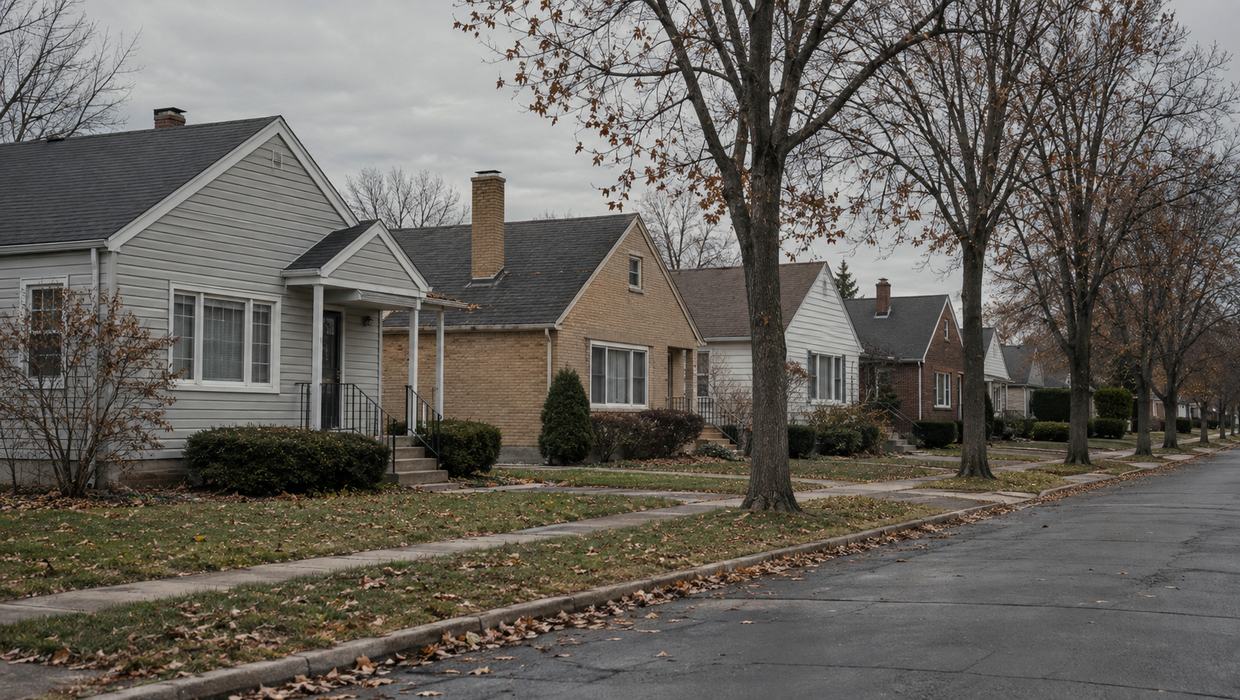
A mortgage now costs 7.03%. The Fed didn't do that. The bond market did.By The Alternative Insider Research Team
Freddie Mac put the 30-year fixed mortgage at 7.03% this week. The average yield across the $32 trillion Treasury market is 5.05%. The Fed's last meeting was twelve days ago. It raised rates a quarter point and then went quiet. Since then the 10-year has climbed to 5.17% and the 30-year has touched 5.5%, the highest since 2004. Nearly every benchmark maturity is now trading at or above 5%, and the average yield across the entire Treasury market is 5.05%, within a few basis points of the 2023 high and the levels of 2006 and 2007. None of that came from a policy decision. The bond market repriced on its own, and the effects land on people who have never read a dot plot. A 30-year fixed mortgage is 7.03%. Companies refinancing debt pay more. The federal government pays more on every dollar it rolls over, and it has $40 trillion to roll. What actually drove the move Here is where we have to complicate our own argument. For most of this year we have read rising long yields as a fiscal story: too much debt, too much issuance, a market demanding more compensation to fund a government that cannot stop borrowing. That reading has been useful and it is still part of the picture. This week it was not the main part. Of the 20 basis point rise in the five-year Treasury yield, 18 basis points came from higher real yields rather than higher inflation expectations. The selloff picked up after the S&P purchasing managers' indices hit their highest level since 2022, with firm output, order backlogs growing at their fastest pace in four years, intensifying wage pressure, and the most widespread supply chain problems since 2022. That is a growth story, not a debasement story. Real yields rise when investors expect the economy to run hot enough to justify a higher return on capital. The bond market this week was not pricing a government losing control of its finances. It was pricing an economy with more momentum than most forecasters expected, and a Fed that will have to stay tight because of it. Why it still matters if you own hard assets The two explanations lead to the same place for anyone holding gold. Higher real yields are the single most reliable drag on a non-yielding asset, whatever is causing them. Gold competing against a 5.17% Treasury is a harder sell than gold competing against a 4% one, and that is most of what took 4.4% off gold and 7.4% off silver this week. The fiscal argument has not gone away either. The debt is still $40 trillion, the deficit is still widening, and the Treasury is three weeks into a buyback program that has not stopped long yields from rising. What changed this week is the mix. Growth is doing more of the work than we assumed, and honest analysis means saying so rather than fitting every week's move to the same explanation.
|
||||||||||||||||||||||
|
||||||||||||||||||||||
We've been telling you rising yields mean debasement. This week they meant something else.
Eighteen of the 20 basis point rise in the five-year yield this week came from real yields, not inflation expectations. This section usually argues against the consensus. This week it argues against us. Since August we have run a consistent line through this newsletter. Long yields are rising because the market is losing confidence in a government carrying $40 trillion of debt, the Treasury's buyback program is an attempt to paper over it, and hard assets are the rational response. We still think the long-run version of that is right, and the calls in the scorecard above came out of it. But a thesis you never test is a belief, and this week produced the cleanest test we have had. If yields were rising on fiscal fear, inflation expectations would be climbing. They were not. Eighteen of the 20 basis points came from real yields. The move accelerated on a PMI report showing the strongest output since 2022, order backlogs growing at the fastest pace in four years, and firms struggling to find workers. That is what an economy with momentum looks like, and it is the ordinary explanation. There is a second uncomfortable fact in the same data. The Fed's own projections in September revised GDP growth up for 2026 and 2027, and cut the expected unemployment rate to 4.1% from 4.3% for both years. Officials are not forecasting a debt crisis. They are forecasting an economy that holds up while they tighten into it. So what survives? The debt is real, the interest bill compounds, and none of this week's data makes $40 trillion more manageable. What we would hold more loosely is the timing. A fiscal reckoning that arrives in 2031 is a very different position from one that arrives next quarter, and this week the market said it is not next quarter. It charged for the difference too: gold down 4.4%, silver down 7.4%. Real yields near two-decade highs are a real competitor for the same money, and that is worth weighing rather than dismissing. The version of this newsletter we would not want to write is the one that explains every move, in every direction, with the same story. If long yields fall next month we will say what caused it then too. |
||||||||||||||||||||||
|
||||||||||||||||||||||
|
||||||||||||||||||||||
|
||||||||||||||||||||||
|
||||||||||||||||||||||
|
||||||||||||||||||||||
|
Disclaimer: Alternative Insider News is a financial education and research publication. Nothing in this email constitutes investment advice, financial advice, or a recommendation to buy or sell any security or digital asset. We may earn affiliate commissions from partners mentioned in this newsletter. Always do your own due diligence before making any investment decision. Past performance is not indicative of future results. Cryptocurrency investments involve significant risk and may result in loss of capital. |